
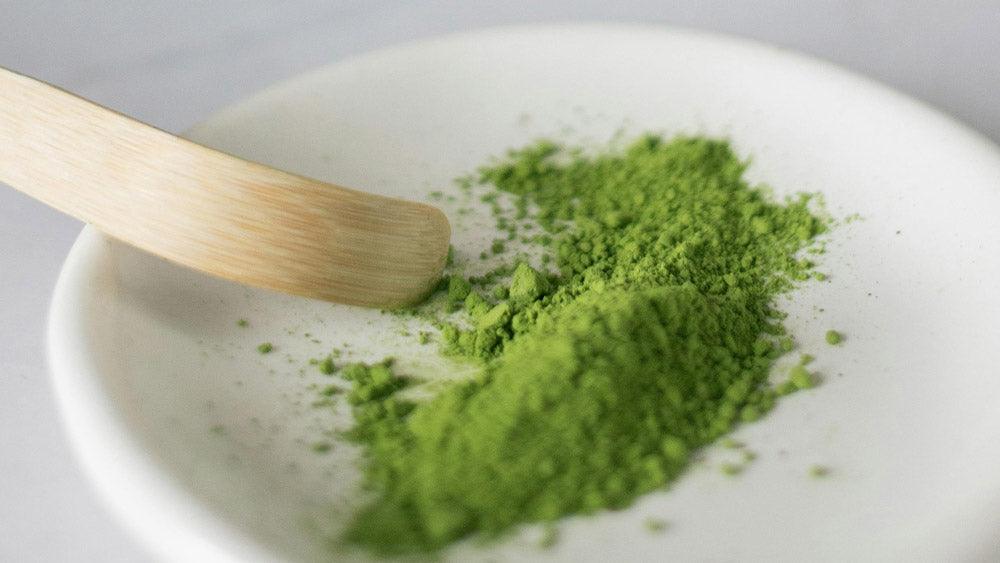
Is Matcha Good for Weight Loss? Here's What the Science Says
Marie HubertRead time: ~8 min · Updated 2026/05/15
You've seen the viral matcha latte videos, the before-and-afters, the wellness influencers swearing by their morning cup. So you're wondering: is matcha actually good for weight loss, or is it just another overhyped trend?
The short answer is yes, matcha can support weight loss. But the mechanism isn't magic, and the results depend heavily on how you drink it. This guide breaks down the real science behind matcha and fat burning, the exact dosage that matters, and the cases where matcha simply won't help.
- Matcha supports weight loss through two key compounds: EGCG (a catechin) and L-theanine, which together promote fat oxidation and steady, crash-free energy.
- The effects are real but modest. Matcha works best alongside a balanced diet and regular movement, not instead of them.
- Dosage matters: 1 to 2 cups per day, drunk plain, ideally in the morning or before exercise.
- A sweetened matcha latte from a café can reach 350 calories. The matcha itself isn't the issue. What you add to it is.
How Matcha Supports Weight Loss: The Science Behind It
Matcha's weight loss reputation isn't built on hype. It's built on a specific group of plant compounds that interact with your metabolism in measurable ways. The science is solid, though the effects are more "support system" than "shortcut."
EGCG and thermogenesis: what the research actually shows
EGCG (epigallocatechin gallate) is the most studied catechin in matcha, and the main driver of its metabolic effects. Unlike standard green tea where leaves are steeped and discarded, matcha involves consuming the whole leaf in powdered form. This delivers significantly higher concentrations of EGCG per serving.
EGCG promotes thermogenesis, the process by which your body generates heat by burning calories. A 2020 systematic review published in Phytomedicine found that consuming up to 500mg of green tea catechins per day for 12 weeks was associated with meaningful reductions in BMI, particularly when combined with dietary changes and exercise.
A more recent study, published in Frontiers in Nutrition in 2022, found that matcha specifically targets the gut-liver axis to reduce fat accumulation induced by a high-fat diet in animal models, pointing to a broader metabolic effect beyond simple calorie burning. Both studies make the same point: the effects are real, consistent, and meaningful, but they appear over weeks and months, not days.
L-theanine: the stress-weight connection
L-theanine is an amino acid found almost exclusively in tea plants. In matcha, it appears in unusually high concentrations compared to regular green tea.
L-theanine modulates the stimulating effects of caffeine, creating what researchers describe as "calm alertness": focused energy without the cortisol spike or crash associated with coffee. This matters for weight loss because elevated cortisol (the stress hormone) is directly linked to increased appetite, cravings for high-calorie foods, and fat storage around the abdomen.
By dampening the stress response while keeping you alert, L-theanine helps reduce the stress-driven snacking pattern that undermines many weight loss efforts.
How Much Matcha Per Day for Weight Loss?
The dosage question is the most searched matcha-and-weight-loss query on Google for good reason. The answer is more specific than most articles admit.
The studied dose is 1 to 2 cups per day, using approximately 2 grams of matcha powder per cup. This delivers a meaningful concentration of EGCG and L-theanine without excessive caffeine intake (matcha contains roughly 35 to 70mg of caffeine per serving, compared to 80 to 100mg in a standard coffee).
Timing: when to drink matcha for best results
Drinking matcha in the morning or 30 minutes before exercise appears to maximize fat oxidation. EGCG enhances the body's ability to use fat as fuel during physical activity, an effect documented in multiple exercise science studies. Drinking matcha on an empty stomach or just before a workout amplifies this mechanism.
Avoid matcha in the late afternoon or evening. The caffeine content can delay sleep onset, and poor sleep is independently associated with increased ghrelin (the hunger hormone) and reduced leptin (the satiety hormone), which directly undermines any weight management effort.
Hot vs. cold matcha: does it make a difference?
This question generates almost 200 monthly searches, and the answer is reassuring: temperature doesn't significantly affect the EGCG or L-theanine content of your matcha. Iced matcha retains the same fat-burning compounds as hot matcha. For weight loss purposes, choose based on preference and season. Just keep it unsweetened.
Matcha Nutrition Facts at a Glance
Understanding exactly what's in a cup of matcha helps separate the real benefits from the marketing noise.
| Nutrient | Plain matcha (2g + water) | Sweetened café matcha latte |
|---|---|---|
| Calories | ~5 kcal | 250 to 350 kcal |
| Sugar | 0g | 30 to 45g |
| EGCG | 50 to 100mg | 50 to 100mg (the matcha part) |
| Caffeine | 35 to 70mg | 35 to 70mg |
| L-theanine | 15 to 25mg | 15 to 25mg |
| Fiber | 0.8g | 0.8g |
The matcha compounds are present in both versions. But a 350-calorie latte with 40g of sugar actively works against fat loss, regardless of the EGCG content. Plain matcha is nearly calorie-free. Sweetened matcha is not.
Matcha vs. Green Tea for Weight Loss
Both drinks come from the same plant (Camellia sinensis), but matcha has a structural advantage worth understanding.
| Criteria | Matcha | Green tea |
|---|---|---|
| Preparation | Whole leaf consumed (powder) | Leaf steeped, then discarded |
| EGCG per serving | 50 to 100mg | 15 to 30mg |
| L-theanine per serving | 15 to 25mg | 5 to 10mg |
| Caffeine per serving | 35 to 70mg | 20 to 45mg |
| Calorie-free when plain | Yes | Yes |
| Weight loss advantage | Higher compound concentration | Lower cost, widely available |
Because you consume the entire leaf with matcha, you absorb significantly more catechins per cup than with steeped green tea. For weight management specifically, high-quality matcha powder delivers a more concentrated dose of the compounds that matter.
When Matcha Won't Help You Lose Weight
This is the section most matcha brands skip. We won't.
Sweetened matcha drinks. A grande matcha latte from a coffee chain typically contains 250 to 350 calories and 30 to 45 grams of added sugar. The EGCG is present, but the caloric surplus created by the sugar and full-fat milk completely negates any metabolic benefit. If your "matcha habit" is a daily sweetened latte, you're not getting the weight loss version of matcha.
Matcha-flavored products. Matcha ice cream, matcha cookies, matcha chocolate, matcha protein bars: these products contain negligible amounts of real matcha and often significant amounts of sugar and saturated fat. They carry the halo of health without the compounds.
Expecting results without other changes. The research consistently shows that matcha's metabolic effects are meaningful when combined with dietary awareness and movement, not instead of them. Matcha is a support tool, not a fat burner that works independently of lifestyle.
Drinking it at the wrong time. Late-evening matcha can disrupt sleep, which increases hunger hormones the following day. This indirect effect is counterproductive for anyone trying to manage their weight.
FAQ: Matcha and Weight Loss, Your Questions Answered
Yes, matcha can support weight loss when consumed plain and as part of a balanced lifestyle. Its two key compounds, EGCG and L-theanine, promote fat oxidation and reduce stress-driven eating. The effects are gradual and modest, not dramatic. Studies suggest consistent daily consumption over 8 to 12 weeks produces the most measurable results.
1 to 2 cups per day (2g of powder per cup) is the dose used in most weight loss studies. Drinking matcha in the morning or before physical activity maximizes its fat-oxidation effect. Avoid more than 2 to 3 cups daily, as excessive caffeine intake can disrupt sleep and increase stress hormones, both counterproductive for weight management.
Matcha has mild natural diuretic properties due to its caffeine content. Caffeine increases urine production by inhibiting sodium reabsorption in the kidneys. This can reduce temporary water retention and feelings of bloating. The effect is gentle — it won't cause significant fluid loss, and it doesn't replace adequate hydration. Drink water alongside your matcha.
Matcha promotes overall fat oxidation, not targeted belly fat reduction. No food or drink can spot-reduce fat from a specific area. That said, the catechins in matcha, particularly EGCG, have been shown to enhance fat burning during aerobic exercise, which contributes to improved body composition over time. Consistent exercise combined with daily matcha is more effective than either alone.
Plain matcha (2g of powder whisked with water) contains approximately 5 calories and no sugar. It will not cause weight gain. The risk comes from additions: milk, syrups, and sweeteners. A fully sweetened matcha latte can easily reach 250 to 350 calories. The matcha isn't the problem. The recipe is.
Yes. Cold or iced matcha retains exactly the same concentration of EGCG and L-theanine as hot matcha. Temperature doesn't meaningfully affect these compounds. Iced matcha is just as effective for weight loss as the hot version, provided you keep it unsweetened. It can actually be a better option in warmer months as a low-calorie replacement for sugary iced drinks.
The Bottom Line: How to Make Matcha Work for You
Matcha is not a weight loss miracle. But it is a genuinely useful tool when used correctly: 1 to 2 plain cups per day, timed well, from a quality source.
The compound that drives the results is EGCG, and its concentration varies significantly depending on the grade of matcha you use. Culinary-grade matcha delivers less EGCG per gram than ceremonial grade. For drinking straight and for the weight management benefits documented in research, ceremonial grade makes a measurable difference.
Blossom's organic ceremonial matcha is shade-grown and stone-ground in Japan, which preserves the catechin and L-theanine concentrations you actually want. One cup in the morning, unsweetened. That's it.
No syrup. No miracle. Just consistent, science-backed support for a healthier daily routine.
Ready to try the real thing?
Certified organic (JASCERT & Canada-Bio), first-harvest Shincha, stone-ground in Shizuoka, Japan. One cup in the morning changes everything.
Shop Blossom Matcha →Scientific sources
Huang J. et al. (2020). The effect of green tea on weight loss and weight maintenance. Phytomedicine.
Wang Y. et al. (2022). Matcha green tea targets the gut-liver axis to alleviate obesity and metabolic disorders induced by a high-fat diet. Frontiers in Nutrition. PMC9376390.
Kapoor M.P. et al. (2017). Clinical evaluation of EGCG dietary supplementation. Nutrition, 33.